2900 Letters PNG Monster Pack: A Comprehensive Evaluation
In the realm of digital design, typography serves as a foundational element that bridges the gap between text and visual art. Designers often seek resources that offer both volume and variety to streamline their creative workflows. The 2900 LETTERS PNG MONSTER PACK represents a significant collection in this niche, offering a vast array of drop cap letters designed for immediate integration into graphic projects. This evaluation explores the contents, technical specifications, use cases, and limitations of this asset pack to help designers determine if it aligns with their specific needs.
Understanding the Product Composition
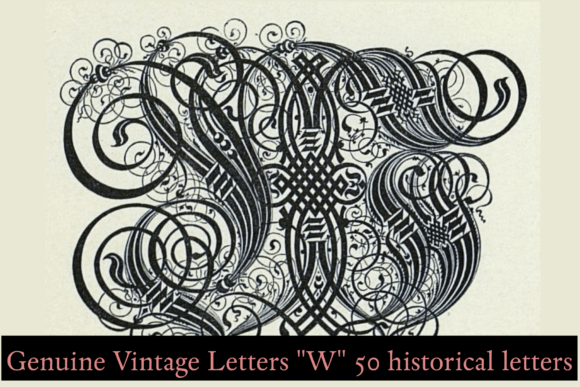
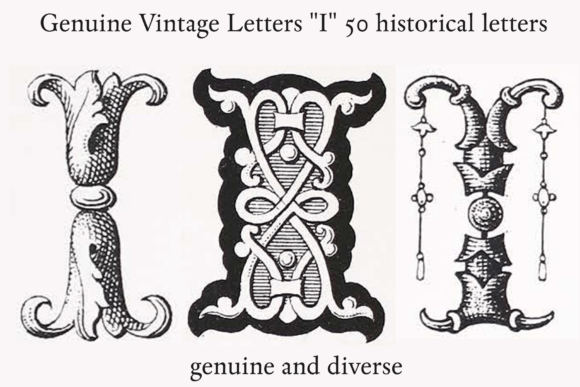
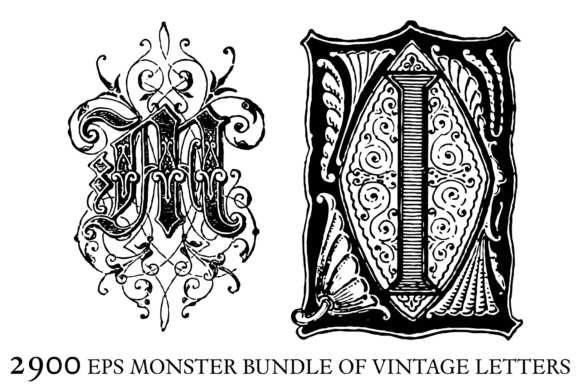
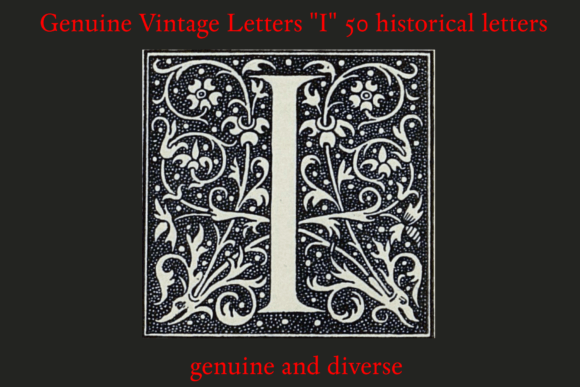
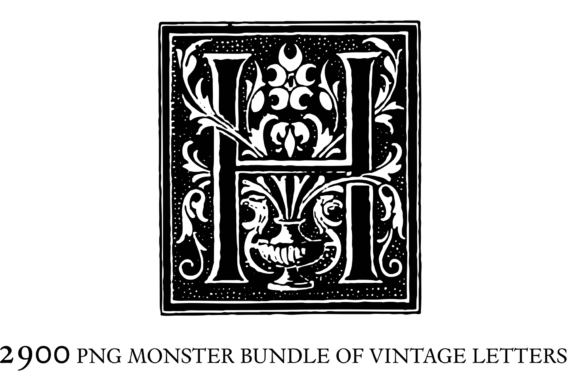
The core value proposition of the 2900 LETTERS PNG MONSTER PACK lies in its sheer volume and historical diversity. Unlike standard font libraries that provide thousands of glyphs within a single typeface file, this pack focuses on individual character assets. Specifically, it contains 2,900 distinct drop cap images. These are not merely simple alphabet characters; they are ornate, decorative initials intended to serve as focal points in editorial layouts, book covers, posters, and digital media.
The collection is curated to span a wide spectrum of typographic history. Users can expect to find styles ranging from medieval manuscripts to early 20th-century commercial art. The inclusion of diverse epochs ensures that the pack is not limited to a single aesthetic era, making it versatile for various thematic projects. Key style categories included in the package are:
- Cadels: Often associated with illuminated manuscripts, these are highly intricate initials featuring foliage, animals, or human figures intertwined with the letterform.
- Lombardic: A script style originating in Northern Italy, characterized by its angularity and height, commonly used in medieval documents.
- Tuscanian: Reflecting the elegance of Renaissance Italy, these letters often feature classical proportions and refined ornamentation.
- Art Nouveau: Defined by flowing, organic lines and natural motifs, this style adds a sense of fluidity and grace to designs.
- Art Deco: Geometric, bold, and symmetrical, Art Deco initials bring a sense of modernism and luxury, popular in the 1920s and 30s.
- Blackletters: Also known as Gothic script, these dense, heavy letterforms evoke a sense of tradition and authority.
- Baroque: Characterized by dramatic detail, grandeur, and elaborate decoration, Baroque letters add a theatrical flair.
- Roman Ornamented: Classical Roman capitals enhanced with decorative elements, suitable for formal and academic contexts.
- High Victorian Recherché Initials: Exquisite and highly detailed, reflecting the ornate tastes of the late 19th century.
- Wood Type Era Faces: Bold, sturdy letters designed for large-scale printing, offering strong visual impact.
Technical Format and Usability
A critical aspect of this product is its delivery format: PNG (Portable Network Graphics). Understanding the implications of using raster images versus vector fonts is essential for proper evaluation. The pack provides ready-to-use image files, which offers several practical advantages for certain types of users.
Firstly, the PNG format ensures consistency across different devices and software environments. Since the files are pre-rendered images, there is no risk of font substitution errors when sharing projects with clients or team members who may not have the original fonts installed. This eliminates a common friction point in collaborative design workflows.
Secondly, the complexity of some of these historical styles—particularly Cadels and High Victorian Recherché initials—often involves intricate details that might be difficult to manipulate or render correctly in standard vector editing software without specialized knowledge. By providing these as high-resolution PNGs, the pack allows designers to drag and drop complex artwork directly into their compositions without needing to deconstruct or trace the paths manually.
Strategic Applications and Use Cases
The 2900 LETTERS PNG MONSTER PACK is particularly well-suited for projects that require a strong typographic statement but do not demand editable text properties. Designers working on the following types of projects will likely find this resource highly beneficial:
- Editorial Design: Magazine articles, blog headers, and newsletter intros often benefit from a large, decorative initial letter to draw the reader in. The variety in the pack allows editors to match the tone of the article, whether it is a serious historical piece or a whimsical lifestyle feature.
- Book Cover Art: For self-published authors or small presses, creating unique cover art can be costly. Using one of these ornate initials as the central graphic element can provide a professional, custom look at a fraction of the cost.
- Social Media Graphics: Content creators looking to establish a consistent brand identity can use these initials as recurring visual motifs in quote graphics, announcement posts, or promotional materials.
- Event Posters and Invitations: Weddings, galas, and literary events often call for elegant or vintage aesthetics. The Art Nouveau, Baroque, and Roman Ornamented styles fit seamlessly into these contexts.
Evaluating Tradeoffs and Limitations
While the volume and variety of the pack are impressive, potential buyers must consider the inherent limitations of using raster images over vector fonts. The primary tradeoff is scalability. While PNGs are generally high-resolution, they are not infinitely scalable like SVG or AI vector files. If a designer attempts to enlarge a PNG drop cap significantly beyond its original resolution, the image may become pixelated or blurry. Therefore, it is crucial to ensure the source files are of sufficient resolution for the intended output size, especially for print materials.
Another consideration is editability. Once an initial is placed in a design, it becomes a static image. Designers cannot easily change the color, adjust the kerning, or modify the shape of the letter without using advanced image editing techniques such as masking or cloning. This lack of flexibility means that the chosen initial must be nearly perfect for the specific design context before placement.
Furthermore, while the pack includes a "great range" of styles, the quality control of historical reproductions can vary. Some users may find that certain styles feel more authentic than others. It is advisable to preview individual files within the pack to assess the clarity and artistic merit of each style before committing to a project.
Decision-Making Insights
To determine if the 2900 LETTERS PNG MONSTER PACK is the right choice, designers should ask themselves a few key questions. Is the project focused on quick visual impact rather than precise typographic control? If so, the ease of use provided by PNG files is a significant advantage. Is the budget constrained, preventing the purchase of multiple individual premium fonts? In this case, the bulk nature of the monster pack offers exceptional value.
Conversely, if the project requires extensive manipulation of the letterforms—such as integrating the initial seamlessly into a complex illustration where the strokes need to align perfectly with other vector elements—a vector font library would be a superior alternative. Additionally, for large-format printing where infinite scaling is required, vector assets remain the industry standard.
Conclusion
The 2900 LETTERS PNG MONSTER PACK is a robust resource for designers seeking historical aesthetic depth without the technical overhead of managing complex font files. Its strength lies in its accessibility and variety, offering a snapshot of typographic history from medieval scripts to Art Deco geometry. By understanding the balance between the convenience of raster images and the limitations regarding scalability and editability, designers can make informed decisions about how best to utilize this collection. For those aiming to add character, texture, and historical resonance to their work, this pack provides a substantial toolkit that can enhance the visual narrative of almost any design project.