Unlocking Bold Expression: Why Happy Chinese Blackletter Is the Perfect Typography Choice for Modern Design
In the vast and ever-evolving landscape of digital typography, finding a font that strikes the perfect balance between historical gravitas and modern accessibility can feel like searching for a needle in a haystack. Designers often struggle to find typefaces that are not only visually striking but also technically robust enough to handle complex projects without compromising workflow efficiency. Enter Happy Chinese, a bold and thick lettered blackletter font that promises to elevate your visual communication with immediate impact. This article explores why this specific typeface is more than just a stylistic choice—it is a powerful tool for creativity, branding, and expression.
The Power of Blackletter in Contemporary Design
To understand the significance of Happy Chinese, one must first appreciate the heritage of blackletter typefaces. Historically known as Gothic script or Old English, blackletter originated in Western Europe during the 12th century. It was designed to mimic the dense, textured appearance of medieval manuscripts, characterized by heavy vertical lines, intricate details, and a sense of formal authority. For centuries, this style was associated with religious texts, legal documents, and academic institutions, conveying a sense of tradition, stability, and prestige.
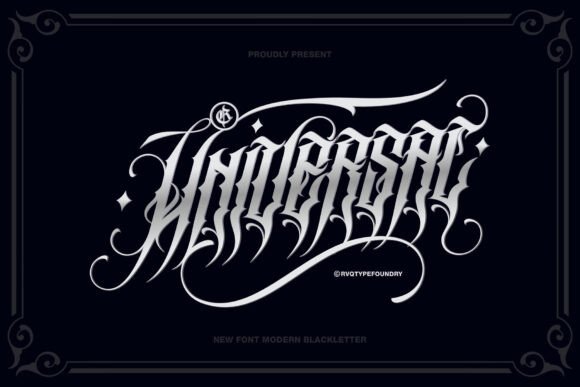
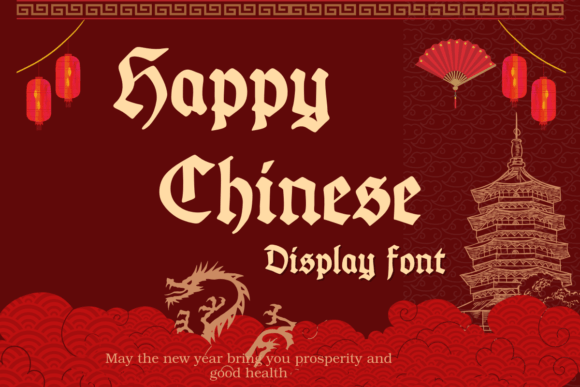
However, in the modern era, the use of blackletter has shifted dramatically. Today, it is frequently employed in rock and metal music album covers, craft beer labels, tattoo art, and streetwear fashion. It evokes a sense of rebellion, strength, and raw energy. By adopting a blackletter font like Happy Chinese, designers tap into this rich cultural symbolism while adding a contemporary twist. The "bold and thick" nature of this particular font ensures that it commands attention, making it ideal for headlines, logos, and impactful statements where readability must coexist with dramatic flair.
Why Choose Happy Chinese?
Not all blackletter fonts are created equal. Many traditional blackletter typefaces suffer from poor legibility at smaller sizes or lack the versatility required for modern digital interfaces. Happy Chinese addresses these common pain points by offering a design that is both imposing and functional. Its thick strokes provide a solid foundation for graphic elements, ensuring that text remains readable even when scaled down or used against busy backgrounds. Furthermore, its distinctive character shapes add a layer of sophistication that lighter or more generic sans-serif fonts simply cannot replicate.
When you add Happy Chinese confidently to your projects, you are not just selecting a font; you are curating an atmosphere. Whether you are designing a poster for a heavy metal concert, creating a logo for a boutique brewery, or crafting a title card for a fantasy novel, this font delivers results that resonate emotionally with the audience. The weight of the letters suggests confidence, while the intricate details invite closer inspection, keeping the viewer engaged.
Technical Excellence: Understanding PUA Encoding
One of the most significant advantages of using Happy Chinese lies in its technical implementation. The font is PUA encoded, which stands for Private Use Area encoding. To the uninitiated, this term might sound overly technical, but for designers and developers, it represents a massive leap forward in usability and creative freedom. In standard Unicode encoding, characters are mapped to specific code points based on their alphabetical or numerical value. However, decorative elements such as swashes, ligatures, and alternate glyphs often do not have dedicated Unicode slots, leading to compatibility issues across different software platforms.
PUA encoding solves this problem by placing these special glyphs in the "Private Use Area" of the Unicode standard—a section reserved specifically for custom characters. This means that all the unique features of Happy Chinese, including its elaborate swashes and alternative letterforms, are bundled directly into the font file itself. You do not need to rely on external plugins, complex scripting, or third-party tools to access these extras. Instead, you can access all of the glyphs and swashes with ease through your standard font picker or OpenType features panel.
Benefits of PUA Encoding for Designers
- Seamless Integration: Because the glyphs are embedded within the font file, they work consistently across various operating systems and design applications, from Adobe Illustrator to Microsoft Word.
- Creative Flexibility: Designers can mix and match standard letters with decorative swashes to create custom monograms, initials, or typographic art without worrying about missing characters.
- Efficiency: There is no need to manually swap out characters or hunt for alternate versions. The entire library of decorative options is available at your fingertips, streamlining the design process.
This level of technical sophistication ensures that Happy Chinese is not just a pretty face but a reliable workhorse for professional projects. It reduces friction in the creative workflow, allowing designers to focus on aesthetics rather than troubleshooting technical glitches.
Practical Applications Across Industries
The versatility of Happy Chinese makes it suitable for a wide range of industries and use cases. Its bold presence makes it particularly effective in sectors where brand identity relies on strength, tradition, or edginess. Let us explore some practical examples of how this font can be utilized effectively.
Branding and Logo Design
In the competitive world of branding, a logo must stand out instantly. A business owner looking to establish a premium yet rugged image—such as a leather goods manufacturer, a motorcycle club, or a craft distillery—can benefit immensely from using Happy Chinese. The thick lettering provides a solid visual anchor, while the blackletter style adds a touch of artisanal quality. When combined with minimalist iconography, the font allows the typography to take center stage, creating a memorable and authoritative brand mark.
Event Marketing and Posters
For events such as music festivals, theater productions, or historical reenactments, typography plays a crucial role in setting the tone. Happy Chinese can transform a simple event flyer into a piece of art. Its dramatic curves and heavy weights ensure that key information, such as dates and venue names, grabs attention from a distance. Pairing this font with high-contrast colors like black and gold, or red and white, can further enhance its visual impact.
Education and Creative Projects
Even in educational settings, understanding the nuances of typography is valuable. Students studying graphic design, history, or media arts can use Happy Chinese to experiment with historical styles in a modern context. It serves as an excellent case study for discussing how ancient design principles adapt to digital mediums. Additionally, for creative writing projects or self-published books, using Happy Chinese for chapter headings or cover titles can give the publication a unique, handcrafted feel that distinguishes it from mass-produced content.
Common Misconceptions About Blackletter Fonts
Despite its growing popularity, blackletter fonts like Happy Chinese are sometimes misunderstood. A common misconception is that they are too difficult to read for body text. While it is true that long passages of blackletter text can strain the eye due to their density, this does not mean the font lacks utility. Rather, it highlights the importance of context. As emphasized throughout this article, blackletter excels in display roles—headlines, titles, and short phrases—where its aesthetic qualities shine without compromising user experience.
Another assumption is that blackletter is outdated or irrelevant in the digital age. On the contrary, the rise of social media and digital advertising has renewed interest in bold, distinctive typefaces that cut through the noise of clean, minimalist web design. Happy Chinese proves that historical fonts can thrive in modern environments when paired with appropriate layout techniques and complementary design elements.
Conclusion: Elevate Your Design with Confidence
In conclusion, Happy Chinese is more than just a font; it is a statement. Its bold, thick lettering and rich blackletter heritage offer a unique blend of historical depth and modern functionality. With the added benefit of PUA encoding, designers gain unrestricted access to a wealth of decorative glyphs, enhancing their creative possibilities without technical hurdles. Whether you are working on a corporate rebrand, a personal art project, or a marketing campaign, adding Happy Chinese confidently to your toolkit will undoubtedly yield impressive results.
As we continue to navigate an increasingly visual world, the demand for authentic, expressive typography will only grow. By choosing a font that respects tradition while embracing innovation, you position your work at the intersection of classic elegance and contemporary edge. Explore the capabilities of Happy Chinese today, and discover how the right typeface can transform your ideas into compelling visual narratives.